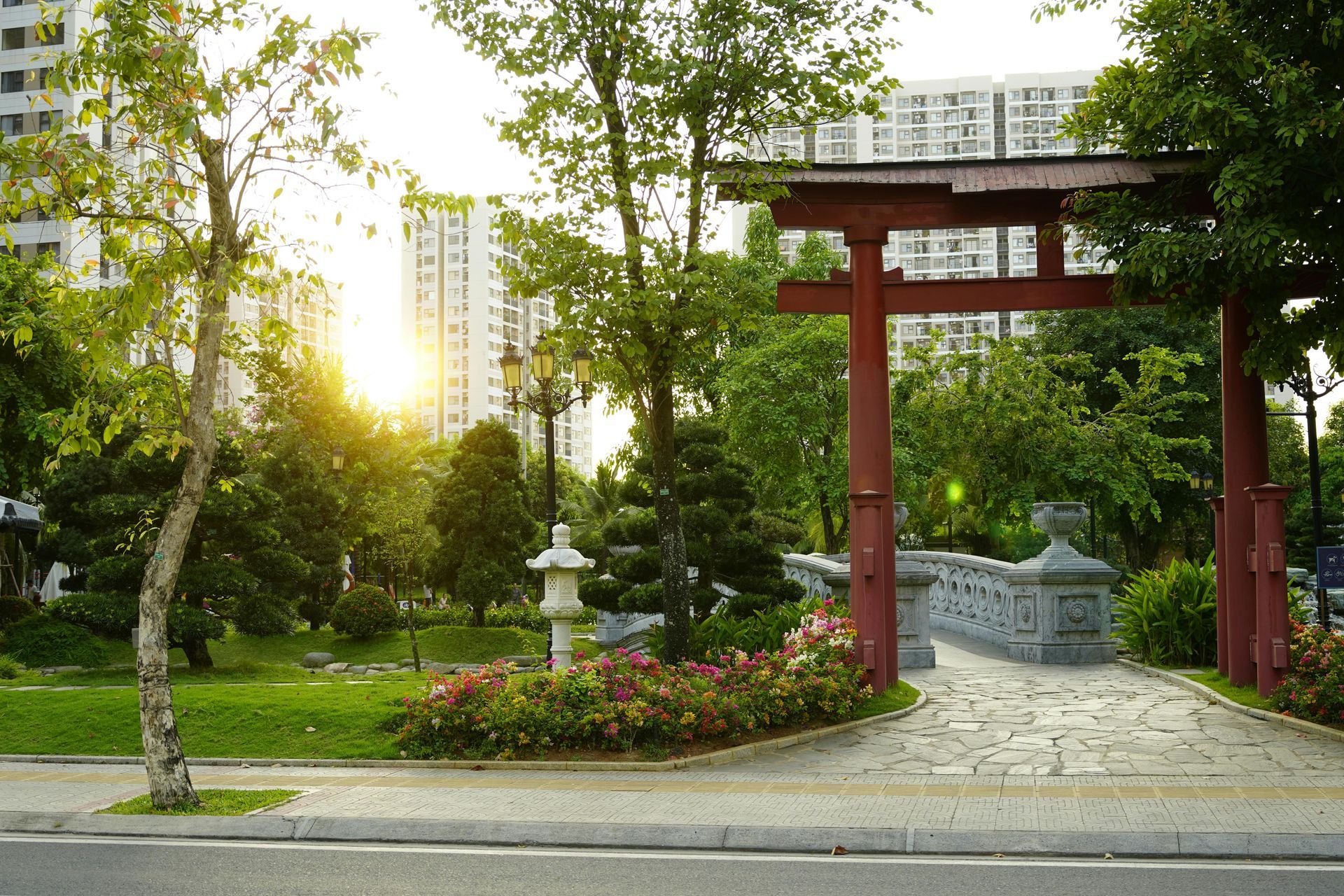
If you want your landscaping to look its’ vest in fall, February is when the work quietly begins.
It might not feel like landscaping season. The ground is cold, plants are dormant, and most people are thinking about getting through winter, not planning for autumn colour. But for strata councils and property managers who want a property that truly stands out, this is one of the most important windows of the year.
The best fall landscapes are not reactive. They are designed and prepared months in advance.
Here’s what to focus on right now.
1. Plan Your Fall Colour Strategy (Yes, Already)
Fall colour doesn’t happen by accident. It’s the result of thoughtful plant selection and placement.
February is the ideal time to:
Review which areas of your property looked tired or underwhelming last fall
Identify opportunities for more maples, burning bush, ornamental grasses, or late-season perennials
Plan layered planting that creates depth and variation instead of flat, one-note beds
If you wait until summer, you’re choosing from what’s left. Right now, you’re choosing from what’s best.
2. Book Enhancements Before the Spring Rush
By late March and April, every landscaping company is flooded with requests.
If you’re considering:
Bed redesigns
New plant installations
Turf renovations
Irrigation upgrades
February is when you’ll get:
Better availability
More thoughtful planning time
Smoother execution timelines
The properties that look the best in the fall are almost always the ones that made decisions early.
3. Prune for Structure and Health
Winter pruning sets the stage for how your landscape grows through spring and summer.
Done properly, it:
Improves plant shape and structure
Encourages healthier, more controlled growth
Prevents the overgrown, chaotic look that kills curb appeal by September
This is especially important for shrubs and small trees that frame entrances, pathways, and signage.
4. Get Ahead of Weeds Before They Start
Weeds don’t begin in spring. They begin before you see them.
Late winter is the time to:
Apply pre-emergent strategies where appropriate
Refresh mulch in key beds to suppress early growth
Address problem areas that were high-maintenance last year
A property that looks clean in the fall is usually one that never let weeds take hold in the first place.
5. Soil First. Always.
If you want better plants, start with better soil.
February is a great time to:
Test and amend soil in high-visibility areas
Add organic material to improve structure and drainage
Prepare beds for stronger root development in spring
Healthy soil leads to stronger plants. Stronger plants lead to better colour, fuller growth, and less maintenance.
6. Walk the Property with a Fresh Set of Eyes
Winter strips everything back. That’s a good thing.
Without the distraction of full foliage, it’s easier to see:
Gaps in planting
Poor sightlines
Areas where the design just doesn’t work
Take a walk around the property and ask a simple question:
“If this were fully in bloom, would it look intentional?”
If the answer is no, now is the time to fix it.
7. Think Like a Resident (or a Buyer)
Fall is often when properties are being viewed, evaluated, and compared.
Ask yourself:
Does the entrance feel welcoming?
Do pathways look clean and framed?
Is there colour and interest throughout the property, or just in one area?
Great strata landscaping isn’t just maintained. It’s experienced.
The Bottom Line
February is quiet, but it’s powerful.
The properties that “pop” in the fall aren’t scrambling in September. They made the right decisions months earlier, when there was time to plan, book, and prepare properly.
If your goal is a property that feels polished, intentional, and easy to manage, this is the moment to start.